On Monday you look at your calendar and see five house anniversaries flagged in your CRM for the next two weeks, a quiet market, and a full weekend of showings. Those anniversary dates are warm, personal touchpoints that can kick open listing conversations if you handle them with a short, predictable playbook.
The scenario most agents miss
Anniversaries sit in the database as nice facts, not actions. Agents leave them for a birthday card and move on. But a home anniversary is a natural time to ask questions that matter: Is the house still fitting your life? Have plans changed? Would you like an updated market check? Those questions are less salesy when timed to a meaningful date.
Because these are past clients and sphere contacts, you already have relationship context. The trick is turning a date into a conversation without sounding robotic or making a single massive outreach that gets ignored.
Why 30 days around the date beats a single-as-day push
Home anniversaries are anchored, but life is messy. A single email on the exact day competes with other mail and can feel transactional. A short window of touches, focused on value and a single clear next step, balances presence with respect.
Work the window like a rhythm: a small personal message before the date, a timely market insight or quick valuation around the date, and a light check-in after the date. The goal is a one-minute response from them or a warm appointment request, not an immediate listing acceptance.
A practical 30-day anniversary-to-appointment workflow
Below is a repeatable sequence you can run weekly for contacts with anniversaries in the next 30 days.
- Day -10 to -7: Send a short, personal email or handwritten note referencing the anniversary and one specific memory or detail about the home. Keep it under three lines and ask one soft question, such as how the house is working for them.
- Day -3 to 0: Deliver a market insight relevant to their neighborhood: a recent sale, a comparable price range, or a mortgage-rate update if it changes buyer behavior. Include an offer for a free, no-commitment valuation or a 20-minute market review call.
- Day +7: If you did not get a response, follow up with a brief, conversational text or voicemail referencing the email and reiterating the offer for that 20-minute chat.
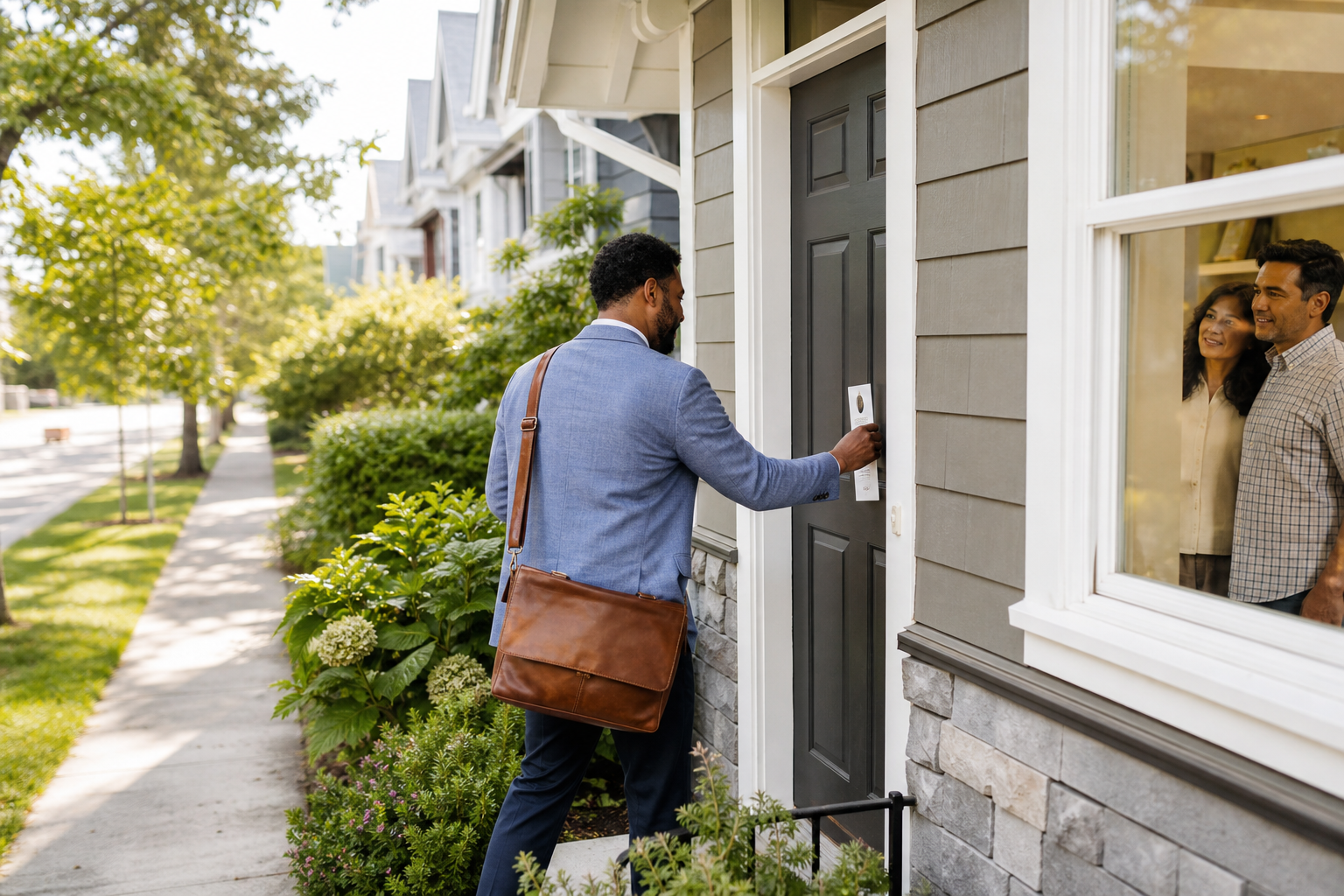
- Day +14: For contacts still quiet, send a small, tangible touch: a pop-by note, a neighborhood market flyer, or an invitation to a local open house. Add a task to call and leave a friendly message if the physical touch returned no response.
Each contact should have a single, visible next task and appointment option, so you avoid follow-up duplication and keep the outreach natural.
How to write messages that start conversations
Swap general lines for specifics. Replace "Happy house anniversary" with "Hard to believe it has been three years since you painted the kitchen island blue" or "I drove by on Saturday and loved the new landscaping." Those details show you paid attention.
Keep calls to action simple and low friction. Ask for a 20-minute market check, an opinion about recent comps, or if now is a good time to provide a quick update. Offer specific times to reduce back-and-forth.
Organizing the work so you can scale
Pick one day each week to assemble the next 30-day anniversary list, then batch-create the messages and set reminders. Use a single task per contact so you only ever see one next action when you open your daily planner.
When you send email blasts to a targeted anniversary group, use saved content and tweak three specific details per contact before sending. That tiny personalization increases responses without adding hours to your week.
Measuring and adjusting
Track two simple metrics: response rate to the first touch, and number of conversations that convert to appointments. If your response rate is low, add more specific details to your messages or switch channels to a phone call for that segment.
If appointments are happening but not converting to listings, adjust the offer: give a short neighborhood update with actionable recommendations, or invite them to a market-readiness consultation that includes a quick cost-benefit review for minor updates.
An example workflow inside a CRM
For example, in Real Connect Pro you can run the house anniversary report, target that list with a saved email blast, and launch a multi-step anniversary campaign that creates follow-up tasks, schedules calendar reminders, and stores responses in the contact record for easy tracking.
Small touches that compound over time
Consistency matters more than a perfect script. A single meaningful follow-up per anniversary, repeated every year, builds credibility and opens more conversations than sporadic heavy outreach.
Block one hour a week for the work, keep your messages brief and specific, and make it a rule to convert any reply into a 15- or 20-minute conversation within seven days. Those short meetings are where house anniversaries turn into market opportunities.
Final practical reminders
Maintain a short library of two email templates and three verbal scripts for calls, and rotate them so your outreach stays fresh. Note results in the contact record so the next anniversary is smarter than the last.
By treating house anniversaries as timed relationship moments, not passive database fields, you get more conversations, more appointments, and eventually more listings without adding large blocks of busywork to your week.